Hey there! I’m a supplier of SCSI cables, and today I wanna chat about the inductance of a SCSI cable. It’s a topic that might seem a bit technical at first, but it’s actually pretty important when it comes to the performance of these cables. SCSI Cable
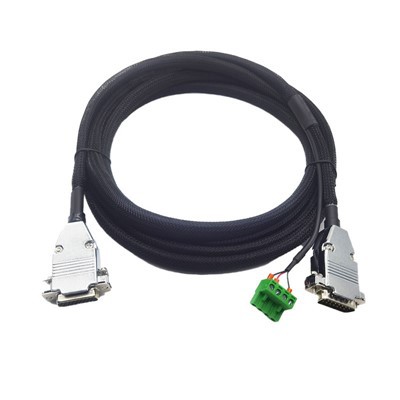
So, what exactly is inductance? In simple terms, inductance is a property of an electrical conductor that opposes a change in the electric current flowing through it. When current flows through a wire, it creates a magnetic field around it. This magnetic field stores energy, and when the current changes, the magnetic field changes too. The ability of the conductor to store this energy in the magnetic field is what we call inductance.
Now, let’s talk about SCSI cables. SCSI, which stands for Small Computer System Interface, is a set of standards for physically connecting and transferring data between computers and peripheral devices. SCSI cables are used to connect these devices, and their performance can be affected by a number of factors, including inductance.
The inductance of a SCSI cable depends on several things. One of the main factors is the cable’s geometry. The shape and size of the conductors in the cable can have a big impact on its inductance. For example, if the conductors are close together, the magnetic fields they create can interact with each other, which can increase the inductance. On the other hand, if the conductors are far apart, the magnetic fields are less likely to interact, and the inductance will be lower.
Another factor that affects the inductance of a SCSI cable is the material the cable is made of. Different materials have different magnetic properties, which can affect how the cable stores and releases energy in the magnetic field. For example, copper is a commonly used material for SCSI cables because it has good electrical conductivity and relatively low inductance.
The length of the SCSI cable also plays a role in its inductance. Generally speaking, the longer the cable, the higher the inductance. This is because a longer cable has more conductor length, which means there is more area for the magnetic field to form and store energy.
So, why does the inductance of a SCSI cable matter? Well, it can have a significant impact on the performance of the cable. High inductance can cause problems such as signal distortion, attenuation, and electromagnetic interference (EMI). Signal distortion can make it difficult for the devices connected by the cable to communicate effectively, which can lead to data errors and reduced performance. Attenuation refers to the loss of signal strength as it travels through the cable, and high inductance can exacerbate this problem. EMI can also be a major issue, as it can interfere with other electronic devices in the vicinity.
As a SCSI cable supplier, I understand the importance of keeping the inductance of our cables as low as possible. We use high-quality materials and advanced manufacturing techniques to ensure that our cables have the best possible performance. We also conduct rigorous testing to make sure that our cables meet the highest standards of quality and reliability.
One way we reduce the inductance of our SCSI cables is by using twisted pair conductors. Twisting the conductors together helps to cancel out the magnetic fields created by the current flowing through them, which reduces the overall inductance of the cable. We also use shielding to protect the cable from EMI, which can further improve its performance.
Another important aspect of our SCSI cables is their impedance matching. Impedance is the opposition to the flow of alternating current in a circuit, and it’s important to match the impedance of the cable to the impedance of the devices it’s connecting. If the impedance is not matched, it can cause reflections and signal loss, which can affect the performance of the cable.
We offer a wide range of SCSI cables to meet the needs of different customers. Whether you’re looking for a short cable for a desktop computer or a long cable for a server rack, we have the right solution for you. Our cables are available in different lengths, sizes, and configurations, so you can choose the one that’s best for your application.
In addition to our standard SCSI cables, we also offer custom cables. If you have specific requirements for your SCSI cable, such as a unique length or connector type, we can work with you to create a custom solution. Our team of experts has the knowledge and experience to design and manufacture high-quality custom cables that meet your exact specifications.
So, if you’re in the market for a SCSI cable, I encourage you to consider our products. We’re committed to providing our customers with the best possible products and services, and we’re confident that you’ll be satisfied with our SCSI cables. Whether you’re a small business or a large enterprise, we have the right solution for you.
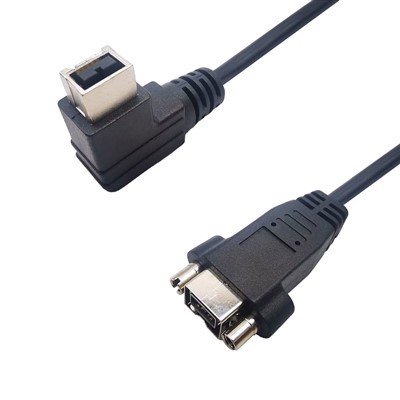
If you have any questions or would like to discuss your SCSI cable needs, please don’t hesitate to contact us. We’re here to help you find the right cable for your application, and we’ll do everything we can to make sure you’re happy with your purchase.
Fiber Optic Cable References:
- "The Art of Electronics" by Paul Horowitz and Winfield Hill
- "Electromagnetic Compatibility Engineering" by Henry W. Ott
Karobert Technology LLC Karobert Trading PTE. LTD.
We’re known as one of the most professional scsi cable manufacturers and suppliers in China, also support customized service. Please feel free to buy high quality scsi cable made in China here from our factory. For price consultation, contact us.
Address: 6250 S 196th St, Kent, WA, 98055, USA.
E-mail: karl@karobert-us.com
WebSite: https://www.karobert-us.com/
