Hey there! As a supplier of non – magnetic tools for oil, I often get asked a bunch of questions from folks in the oil industry. One question that has been popping up quite a bit lately is, "Can non – magnetic tools for oil be used in oil emulsion breaking processes?" Well, let’s dig into this topic and see what we can find out. Non-Magnetic Tools for Oil
First off, let’s talk a bit about what oil emulsions are. An oil emulsion is basically a mixture of oil and water where one of the liquids is dispersed in the other in the form of tiny droplets. These emulsions can be a real pain in the neck for the oil industry because they can cause all sorts of problems like corrosion, clogging of pipelines, and reduced efficiency in oil processing. So, breaking these emulsions is a crucial step in getting the oil in a usable state.
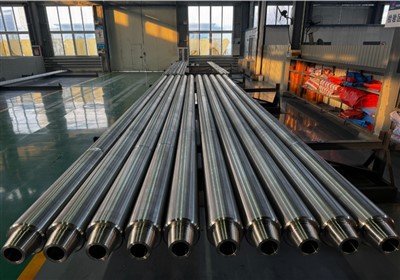
Now, what are non – magnetic tools for oil? These tools are made from materials that don’t have magnetic properties. This is super important in the oil industry because magnetic materials can interfere with sensitive equipment and cause all kinds of issues. Non – magnetic tools are typically made from things like stainless steel, brass, or other non – ferrous metals.
So, can these non – magnetic tools be used in oil emulsion breaking processes? The short answer is yes, and here’s why.
The Role of Non – Magnetic Tools in Emulsion Breaking
One of the key steps in breaking an oil emulsion is the separation of the oil and water phases. Non – magnetic tools can play a big role in this process. For example, in a centrifuge, which is a common piece of equipment used for emulsion breaking, non – magnetic tools can be used to handle and maintain the centrifuge. Since the centrifuge operates based on the principle of centrifugal force to separate the oil and water, using non – magnetic tools ensures that there is no interference with the equipment’s operation.
Magnetic materials can create magnetic fields that might disrupt the smooth rotation of the centrifuge or cause problems with the sensors and control systems. Non – magnetic tools eliminate this risk. They can be used for tasks like cleaning the centrifuge, replacing parts, or making adjustments.
Another area where non – magnetic tools are useful is in the use of chemical demulsifiers. Chemical demulsifiers are substances that are added to the oil emulsion to help break it down. Non – magnetic tools can be used to measure and add the right amount of demulsifier to the emulsion. Since these tools are non – magnetic, they won’t react with the demulsifier or the oil emulsion in a way that could affect the chemical process.
Advantages of Using Non – Magnetic Tools
There are several advantages to using non – magnetic tools in oil emulsion breaking processes.
Safety
Safety is a top priority in the oil industry. Magnetic tools can attract metal particles, which can be a hazard in an environment where there are flammable substances. Non – magnetic tools reduce this risk. They also don’t pose a risk of creating sparks, which could potentially ignite the oil or other volatile substances.
Durability
Non – magnetic materials like stainless steel are known for their durability. They can withstand the harsh conditions in the oil industry, including exposure to chemicals, high temperatures, and mechanical stress. This means that non – magnetic tools have a longer lifespan compared to some magnetic tools, which can save money in the long run.
Compatibility
Non – magnetic tools are compatible with a wide range of equipment and chemicals used in oil emulsion breaking. They don’t react with the oil, water, or demulsifiers, which ensures that the emulsion breaking process is not affected.
Real – World Applications
Let’s look at some real – world examples of how non – magnetic tools are used in oil emulsion breaking.
In an offshore oil platform, the emulsion breaking process is carried out in a series of tanks and separators. Non – magnetic tools are used to perform maintenance on these tanks and separators. For example, workers use non – magnetic wrenches to tighten bolts and nuts on the equipment. These wrenches are made from non – magnetic stainless steel, which ensures that they don’t interfere with the electrical systems or the magnetic sensors on the platform.
In a refinery, non – magnetic tools are used to handle and measure the demulsifiers. Workers use non – magnetic pipettes and measuring cups to add the right amount of demulsifier to the oil emulsion. This helps to ensure that the emulsion is broken down effectively and that the oil can be processed further.
Challenges and Considerations
Of course, like any tool or technology, there are some challenges and considerations when using non – magnetic tools in oil emulsion breaking processes.
One challenge is the cost. Non – magnetic materials can be more expensive than magnetic materials. However, as I mentioned earlier, the long – term durability of non – magnetic tools can offset this initial cost.
Another consideration is the availability of non – magnetic tools. In some regions, it might be difficult to find the right non – magnetic tools for a specific application. But as a supplier, I can help with that. We have a wide range of non – magnetic tools that are suitable for oil emulsion breaking processes.
Conclusion

So, to answer the question, "Can non – magnetic tools for oil be used in oil emulsion breaking processes?" The answer is a resounding yes. Non – magnetic tools offer a range of benefits, including safety, durability, and compatibility. They play an important role in the separation of oil and water in emulsions and in the overall process of getting the oil in a usable state.
Non-Magnetic Tools for Coal If you’re in the oil industry and are looking for high – quality non – magnetic tools for your oil emulsion breaking processes, I’d love to have a chat with you. Whether you need tools for centrifuge maintenance, chemical handling, or any other aspect of the emulsion breaking process, we’ve got you covered. Reach out to me to discuss your specific needs and let’s work together to find the best solutions for your operations.
References
- Smith, J. (2018). "Non – Magnetic Materials in the Oil Industry". Journal of Oil Technology.
- Johnson, A. (2019). "Emulsion Breaking Processes in the Oil Refining Industry". Petroleum Engineering Review.
- Brown, C. (2020). "The Use of Non – Magnetic Tools in Offshore Oil Platforms". Marine Oil and Gas Journal.
Shanxi Zhonghe Non-Magnetic Drill Tool Co., Ltd.
As one of the most professional non-magnetic tools for oil manufacturers and suppliers in China, we also support customized service. With abundant experience, we warmly welcome you to buy high quality non-magnetic tools for oil for sale here from our factory. Contact us for more details.
Address: No.168 Fenglei Street, Houma City, Linfen City, Shanxi Province, China.
E-mail: lucy@nmdrillcollar.com
WebSite: https://www.zhnmdc.com/
