As a long – standing supplier of Continuously Transposed Conductors (CTCs), I’ve witnessed firsthand the diverse applications and environments in which these conductors operate. One question that has increasingly come up in recent client consultations is how CTCs perform in a low – oxygen environment. In this blog, I will draw on our company’s extensive experience and industry knowledge to explore this topic in detail. Continuously Transposed Conductors
Understanding Continuously Transposed Conductors
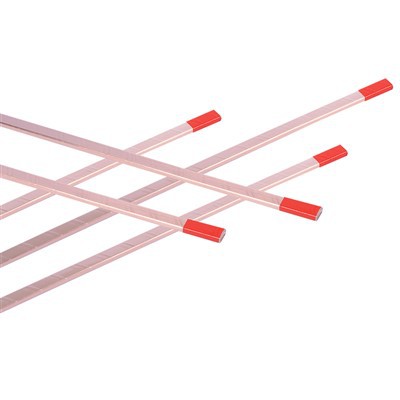
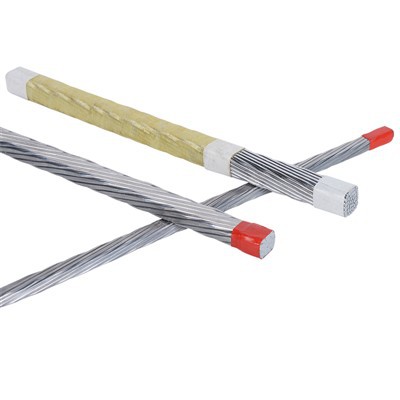
Before delving into their performance in low – oxygen environments, it’s important to understand what CTCs are and why they are so widely used. Continuously Transposed Conductors are made by transposing a number of parallel – connected enameled flat copper wires continuously along the length. This unique structure offers several key advantages.
Firstly, it significantly reduces the eddy current losses. In high – current applications such as power transformers and reactors, traditional conductors may experience large eddy currents due to the magnetic field. These eddy currents can cause additional heat generation, which is not only inefficient but also potentially harmful to the equipment. CTCs, with their transposed structure, help to balance the currents flowing through each strand, thereby minimizing eddy current losses.
Secondly, CTCs provide better space utilization. Their flat and transposed design allows for a more compact winding arrangement, which is essential in modern electrical equipment where miniaturization and high power density are often required.
General Performance Factors of CTCs
The performance of CTCs is influenced by a variety of factors under normal circumstances. Electrical conductivity is one of the most important aspects. High – quality copper, which is commonly used in CTCs, has excellent electrical conductivity. However, factors such as the purity of the copper, the thickness of the enamel insulation, and the temperature can affect this conductivity.
Mechanical properties also play a crucial role. CTCs need to withstand the mechanical stress during the winding process and the operation of the equipment. The flexibility of the conductor is important for easy winding, while the tensile strength ensures that the conductor does not break under stress.
Thermal performance is another key factor. In electrical equipment, heat is inevitably generated during operation. CTCs should be able to dissipate heat effectively to maintain a stable operating temperature. Otherwise, overheating can lead to insulation degradation and reduced equipment lifespan.
Low – Oxygen Environment: Characteristics and Challenges
A low – oxygen environment can be found in various industrial settings, such as some chemical processing plants, high – altitude areas, and sealed electrical enclosures. The lack of oxygen in these environments can have a significant impact on the performance of CTCs.
One of the primary concerns is the oxidation process. In normal air, the copper in CTCs may undergo a slow oxidation reaction, forming a thin layer of copper oxide on the surface. This oxide layer can increase the resistance of the conductor and reduce its electrical conductivity. In a low – oxygen environment, the oxidation rate is generally slower. While this might seem beneficial at first glance, it can also lead to unexpected problems. For example, if there are small amounts of other reactive gases present, they may react with the copper in a different way, potentially forming compounds that are more difficult to remove and have a more adverse effect on conductivity.
Another aspect is the potential impact on the insulation material. The enamel insulation on CTCs is designed to work under specific environmental conditions. In a low – oxygen environment, the chemical properties of the insulation may change over time. For instance, some insulation materials may become more brittle due to the lack of oxygen, which can reduce their ability to resist mechanical stress and increase the risk of insulation damage.
The thermal management of CTCs can also be affected. Oxygen in the air plays a role in heat transfer through convection. In a low – oxygen environment, the convective heat transfer rate is reduced. This means that if the heat generated by the CTCs cannot be dissipated efficiently, the temperature of the conductor may rise more rapidly, leading to potential overheating problems.
Our Experience with CTCs in Low – Oxygen Environments
Over the years, we have received feedback from clients who use our CTCs in low – oxygen environments. In some cases, our customers reported that the CTCs showed better long – term electrical stability in these environments compared to normal air. This is likely due to the slower oxidation rate, which helps to maintain a lower and more stable resistance.
However, we also noticed some issues related to insulation performance. In high – altitude areas with low oxygen levels, the insulation of CTCs in certain transformers was found to be more prone to cracking after a period of operation. Further analysis revealed that the combination of low oxygen, low temperature, and mechanical stress during start – stop cycles contributed to this problem.
To address these issues, we conducted a series of tests and experiments in our laboratory. We simulated low – oxygen environments and studied the performance of different types of CTCs over an extended period. Based on the results, we made some improvements to our manufacturing processes. For example, we adjusted the composition of the enamel insulation to enhance its flexibility and resistance to low – oxygen conditions. We also developed special surface treatments for the copper wires to further protect them from potential chemical reactions in low – oxygen environments.
Future Research and Development
As the demand for electrical equipment that can operate in extreme environments continues to grow, we are committed to further research on the performance of CTCs in low – oxygen environments. We plan to collaborate with research institutions to conduct more in – depth studies on the long – term effects of low oxygen on the electrical, mechanical, and thermal properties of CTCs.
We also aim to develop new materials and manufacturing techniques that can better adapt to low – oxygen conditions. For example, we are exploring the use of advanced insulation materials that are more stable in low – oxygen environments and have better mechanical properties.
Conclusion
In conclusion, Continuously Transposed Conductors have unique performance characteristics in low – oxygen environments. While there are some potential benefits such as slower oxidation, there are also challenges related to insulation, thermal management, and potential chemical reactions with other gases. Through our long – term experience and ongoing research and development, we have been able to address many of these issues and provide high – quality CTCs that can perform reliably in low – oxygen settings.
Continuously Transposed Conductors If you are in need of Continuously Transposed Conductors for your projects, especially those in low – oxygen environments, we are here to offer our expertise and high – quality products. Our team of experienced engineers can provide customized solutions based on your specific requirements. We invite you to reach out to discuss your procurement needs and explore how our CTCs can meet your expectations.
References
- IEEE Transactions on Power Delivery: "Characteristics of Conductors in Extreme Environments"
- Journal of Electrical Insulation: "Long – term Performance of Enamel Insulation in Low – oxygen Conditions"
- ASTM International Standards on Electrical Conductors
- Industry reports on the use of Continuously Transposed Conductors in different applications.
Tianjin Jingwei Power Technology Co., Ltd.
As one of the most professional continuously transposed conductors manufacturers and suppliers in China, we’re featured by quality products and good service. Please rest assured to buy durable continuously transposed conductors made in China here from our factory. Contact us for more details.
Address: No.1 Chuangxin Rd. Xiaozhan Industrial Park, Jinnan District, Tianjin, China
E-mail: info@jwdc.cn
WebSite: https://www.jw-dcs.com/
