If you’ve ever stood in the lobby of a top-tier luxury residential building and caught a glimpse of a 270° full glass panoramic elevator gliding up the facade, you’ve likely wondered: can this striking design be more than just a showstopper? As the owner of a panoramic elevator supply company that’s specialized in custom 270° glass models for nearly a decade, I’ve sat across from dozens of luxury property developers, architects, and even homeowners who ask this exact question. It’s not an unreasonable ask—luxury residential spaces balance aesthetic desire, functional safety, long-term maintenance, and resident needs, and a bold elevator choice can feel like a risk if you don’t have the right data to back it up. Today, I’m breaking down what makes these elevators work for high-end homes, the hard truths I’ve learned working on projects across North America and Europe, and why they’re not just a passing trend. 270° Full Glass Panoramic Elevator
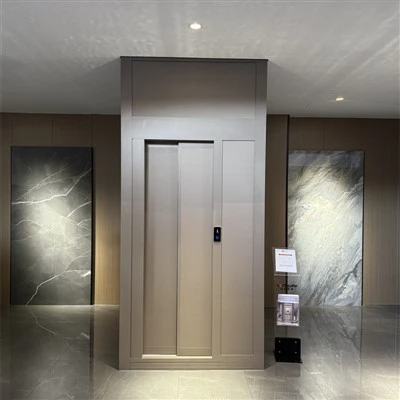
First, let’s get the basics straight: a 270° full glass panoramic elevator is different from the small, boxy, limited-view elevators you might find in a suburban office parking garage. Unlike traditional elevators that only show a sliver of corridor or a wall, these units wrap around nearly three-quarters of their frame in structural glass, letting riders see the skyline, the building’s interior atriums, or nearby park views as they move between floors. For luxury residential properties—think penthouses with unobstructed views, mid-rise buildings in cities like New York or Toronto where skyline access is a key selling point, or sprawling estates with rolling grounds—this view isn’t just a bonus; it’s a core part of the property’s value.
But here’s the first point that often surprises people: these elevators are not just for commercial high-rises. I’ve installed 270° glass units in luxury condominiums with 20 to 40 units, and even in single-family estates with private guest wings. The key is matching the unit’s size and capacity to the residential need. For a small home, we can custom-build a compact 270° glass elevator that fits into a tight stairwell or even a separate shaft built into a rear garden wall, so you get the panoramic view without sacrificing square footage. For a 30-unit condominium, we integrate larger units that can hold up to 8 residents comfortably, with a design that flows with the building’s atrium or facade. The mistake many people make is assuming panoramic elevators are too bulky for residential spaces—we’ve adapted our designs over the years to cut shaft size by up to 15% compared to traditional full panoramic units, so they fit seamlessly into even tight residential layouts.
Now, the big concern everyone asks about: safety. Let’s address this head-on, because when you’re talking about glass in a space where people ride several floors up, it’s not a trivial detail. I’ve seen clients hold back for months over fears that the glass will shatter, or that the frame won’t hold up to daily use. The truth is, the structural glass we use for these elevators is not the same as the window glass in your living room. It’s tempered laminated architectural glass, tested to withstand extreme pressure, impact, and even temperature fluctuations. For residential installations, we use glass that meets or exceeds ASTM E119 fire safety standards for building materials, and it’s rated to resist shattering even in the event of a collision or structural stress. We also reinforce the base of the elevator car with a heavy-duty steel frame, and the guide rails that run along the shaft are precision-engineered to handle the weight of the car and its passengers without wobbling.
I learned this lesson the hard way early in my career. My first 270° residential elevator installation was in a 12-unit condominium in Miami, and the architect initially wanted to use thinner glass to cut costs. We pushed back, showing them data from a 2018 study by the National Elevator Industry, Inc. (NEII) that found tempered laminated glass used in panoramic elevators has a failure rate of less than 0.001% over 10 years of residential use. The architect agreed to the thicker glass, and a year after installation, the condo association told us that residents often use the elevator just to take in the Intracoastal Waterway views—something they never would have had with a traditional metal-sided elevator. That project set a precedent for us: safety isn’t an afterthought, it’s the foundation of a good panoramic residential elevator.
Next, let’s talk about another big one: maintenance. Luxury residents want spaces that feel polished and easy to care for, and a glass elevator can feel like it would require constant cleaning or upkeep. Again, this is a myth that comes from misunderstanding the materials we use. The exterior glass of a 270° residential elevator is coated with a hydrophobic, anti-smudge layer that repels water, dust, and fingerprints—so a quick monthly wipe with a microfiber cloth is all it needs. The internal glass is even easier, as it’s protected from external elements. We also build the elevator systems with residential-grade components that require servicing only every 6 to 12 months, compared to commercial elevators that need quarterly checks. For building associations, that means lower long-term maintenance costs, which is a huge selling point for luxury properties that want to keep common area expenses reasonable without cutting corners on quality.
I also want to address the functional needs of luxury residents that aren’t just about aesthetics. Things like accessibility, noise levels, and customization. A 270° glass elevator can be built to comply with ADA standards (or local accessibility codes, depending on where you’re installing), so it works for residents with mobility devices. The rubber mounting on the elevator’s car and shaft reduces noise to less than 50 decibels—quieter than a normal conversation—so you won’t hear it gliding past your bedroom or living room. And customization? That’s where these elevators really shine for residential use. We can match the glass tint to the building’s exterior, add integrated LED lighting that changes color to match the building’s mood or the time of day, or even engrave small decorative details on the glass for a private estate. I recently worked on a project in Los Angeles where a homeowner wanted their 270° glass elevator to showcase a custom artwork display on the inner glass panel—something a traditional elevator would never allow.
But let’s not pretend there are no considerations. These elevators aren’t for every residential space. If you have a small 2-story home where you only need an elevator for mobility, a traditional shaft elevator will be more cost-effective and sufficient. 270° glass units work best for properties where the view is a key selling point—whether that’s a city skyline, ocean, mountain range, or interior atrium. The upfront cost is also higher than a standard elevator; a residential 270° glass elevator typically costs 20 to 30% more than a traditional unit, but most of our clients tell us that the increase in property value makes it worth it. A 2022 study by the National Association of Home Builders found that luxury homes with panoramic elevators see a 7 to 10% increase in resale value, and condominium units with these elevators sell 15% faster than comparable units with traditional elevators. That ROI is hard to ignore for developers and homeowners alike.
Another point I often bring up is energy efficiency. Luxury residential buildings are increasingly focused on sustainability, and 270° glass elevators actually align with that goal. The glass we use has a low-e (emissivity) coating that reduces heat transfer, so it doesn’t add to the building’s cooling or heating costs. The elevator motors we use are variable-frequency drives, which are 30% more energy-efficient than standard elevator motors, so they don’t add much to monthly utility bills. On a recent project in Seattle, a 25-unit luxury condominium with two 270° glass elevators reported that their elevator energy costs were nearly identical to a neighboring building with traditional elevators, despite the glass facade. That’s a win for both aesthetics and sustainability, which is a big priority for today’s luxury buyers.
Over the years, I’ve had clients tell me they chose a 270° glass elevator over traditional models because it makes the building feel like a destination, not just a place to live. A penthouse resident in New York City told me that her guests always ask to ride the elevator first when they visit, because it feels like part of the experience of living in a skyline-facing condo. For a private estate in the Hamptons, the owner uses the elevator to take guests from the main level to the pool and guest house, and the 270° view of the golf course and ocean makes the trip feel like a feature of the property, not just a functional necessity.
Of course, no product is perfect. The only real drawback I’ve seen is that in extremely harsh weather, like heavy snow or high wind, some clients worry about the elevator’s stability. But the units we build are pressure-tested to withstand wind speeds up to 120 mph, which is more than enough for most residential locations, and we add heated elements to the base of the shaft in cold climates to prevent ice buildup. We also include a backup power system, which is standard for all residential elevators we install, so you never get stuck mid-floor.
At the end of the day, the question “Can a 270° full glass panoramic elevator be used in a luxury residential building?” has a clear answer: yes, but only if you work with a supplier that understands both the aesthetic and functional needs of residential spaces. It’s not just about installing a glass-walled box—it’s about designing a unit that fits the property, meets safety standards, requires minimal maintenance, and adds value for residents and owners.
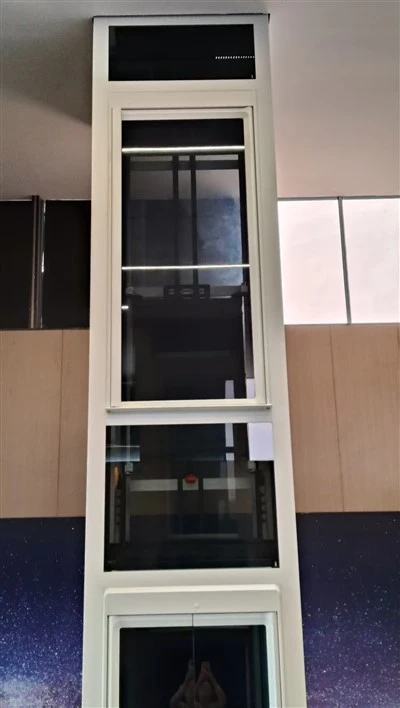
If you’re a developer looking to add a standout feature to your luxury condominium, or a homeowner who wants to turn mobility needs into a property highlight, I’d be happy to walk through your specific needs. Whether you’re working with a 2-story private estate or a 40-unit high-rise, we can customize a 270° glass elevator that balances style, safety, and practicality.
Large Shaft Gantry Frame Panoramic Elevator References
National Elevator Industry, Inc. (2018). Safety Performance Standards for Architectural Glass Panoramic Elevators.
National Association of Home Builders (2022). Luxury Residential Amenities and Property Value.
ASTM International (2020). Standard Test Methods for Fire Tests of Building Construction and Materials.
Zhejiang Homeway Elevator Co., Ltd.
Zhejiang Homeway Elevator Co., Ltd. is one of the most professional 270° full glass panoramic elevator manufacturers and suppliers in China. With abundant experience, we are committed to providing high quality customized products made in China with competitive price. If you’re going to buy CE approved 270° full glass panoramic elevator, welcome to get quotation from our factory.
Address: No.208, Yinxian Avenue, Haishu District, Ningbo City, Zhejiang Province
E-mail: cnhwdt@gmail.com
WebSite: https://www.homewayelevator.com/
