Hey there, I’m Jake, and for the last 12 years, I’ve been out on the floor of my family’s electric motor bearings supplier shop, talking to maintenance crews, plant managers, and even hobbyists who’ve hit that exact frustrating moment: you pull a motor apart, check the bearings, and they’re shot—pitted races, cracked rollers, the kind that’ll grind a perfectly good motor to a halt if you don’t handle them right. A lot of folks don’t think twice about tossing old parts, especially small bearing pieces, but I’ve seen a crew at a food processing plant get shut down for sending metal scraps through their recycling bin because they mixed in damaged electrical components, and I’ve had a neighbor get a tiny metal sliver from a tossed bearing stuck in his hand that got infected. Today, I’m walking you through exactly how to dispose of damaged electric motor bearings safely—stuff I’ve learned from mistakes on the job, not just a textbook. Electric Motor Bearings
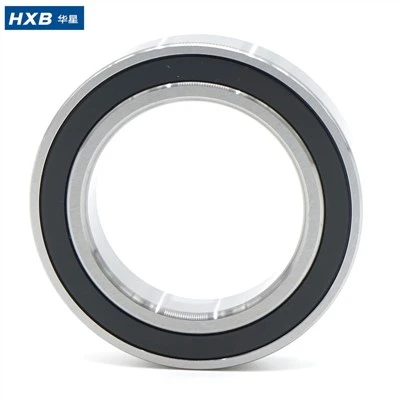
First off, let’s get one thing straight: damaged electric motor bearings aren’t just regular scrap metal. They have two key things that make handling them different: electrical components (even the tiny integrated grease seals or residual conductive grease that seeps out) and hard, sharp metal components that can cause cuts or puncture wounds. I’ve had my fair share of nicked fingers when I’ve rushed through taking apart old bearings, so that’s why we start with pre-disposal prep. This isn’t just about being careful—it’s about keeping you, your team, and the waste handlers who’ll pick up your materials safe.
Step one, before you even think about tossing anything, is to prep the damaged bearing for handling. Grab a pair of heavy-duty work gloves, not those thin latex ones you use for cleaning. I swear by cut-resistant leather gloves—they grip the bearing without slipping, and the thick material stops those sharp edge pieces from slicing through. Next, take the bearing apart if you can safely do so without breaking tiny pieces. Most ball bearings pop apart easily if you gently pry the outer race with a flathead screwdriver, but if it’s rusted or fused, don’t force it. You can use a small amount of penetrating oil to loosen it, or just leave it intact. A lot of suppliers, including us, tell our customers that leaving small intact bearings is fine for disposal as long as you seal them properly. While you’re at it, wipe off excess grease with a paper towel—grease from motor bearings isn’t toxic, but it can attract pests if it’s sitting in a trash bin for days, and it makes the metal slippery, which increases the chance of drops.
Now, the next part: sorting. This is where a lot of people mess up. Damaged electric motor bearings have a mix of ferrous metal (steel, which is magnetic), non-ferrous metal (copper, brass, sometimes small amounts of aluminum in the race seals), and residual electrical elements. You need to sort them before disposal because ferrous and non-ferrous metals have different recycling pathways, and you don’t want conductive material mixing into regular trash. For example, a bearing’s outer race is almost always steel (ferrous), while the small grease guard or inner seal might be brass or copper (non-ferrous). I always keep two small bins in my shop for this: one for ferrous bearing parts, another for non-ferrous, so when a customer drops off old bearings, I can sort them right there. If you don’t have multiple bins, just use a strong magnet to test each piece—if it sticks, it’s ferrous, if not, it’s non-ferrous. That’s a trick I learned from our recycling partner years ago.
Once sorted, you have three main disposal paths, and which one you choose depends on how many bearings you have and where you’re located. First, recycling. This is by far the best option—most scrap yards accept damaged metal bearings, and since they’re so abundant, they’re valuable scrap. But here’s the catch: you can’t just bring a loose pile of bearings to a scrap yard. A few years back, a landscaper brought a bucket of damaged motor bearings to our local scrap yard, and they turned him away because small, loose metal pieces can jam the yard’s sorting machinery, causing thousands in downtime. So for loose, small parts, you need to seal them. What works best? A heavy-duty plastic bag (like the kind contractors use for construction waste) or a rigid plastic container with a tight lid. If you have larger, intact bearings, you can wrap them in cardboard first to keep them from poking through the bag. I also recommend labeling the bag something like “Damaged Electric Motor Bearings – Scrap Metal” so the scrap yard knows what’s inside and doesn’t send it to a municipal landfill by mistake. If you have a big batch—like 50 or more bearings—many scrap yards will even pick them up, but you’ll need to call ahead and let them know you have conductive metal parts. That’s another pro tip: never surprise a scrap yard with electrical components. They have specific rules to protect their workers, and being upfront makes everything go smoother.
The second disposal path is municipal solid waste, but only if you have a very small number of damaged bearings—like one or two. I don’t recommend this for most people, but if you’re a hobbyist replacing a bearing on a small workshop motor, tossing one damaged bearing in your regular trash is usually okay, as long as it’s sealed properly. Wait, though—do not toss it in recycling. Most curbside recycling programs don’t accept electrical bearing parts because they can contaminate whole bins of recyclables. I’ve seen a whole bin of aluminum cans get rejected because someone tossed a damaged bearing in with them, so always check your local recycling rules before tossing. If you do go the municipal waste route, double-bag the bearing to prevent grease leakage, and put it in the general trash, not the recycling or organics bin. Also, never toss damaged electric motor bearings in a compost bin or yard waste—metal and grease won’t break down, and they can damage composting equipment.
The third path is special waste, and this is only for very large quantities or heavily damaged bearings that have exposed conductive wires or residual electrical components. Wait, why would a motor bearing have wires? Sometimes larger industrial motor bearings have integrated temperature sensors or vibration sensors, which have tiny wires inside. If you have a bearing that has these, you can’t just toss it in regular scrap or trash. In most areas, these count as small electrical waste, so you’ll need to contact your local hazardous waste facility or household hazardous waste collection event. A few years ago, a manufacturing plant here had 200 damaged large motor bearings with sensor wires, and the city told them to drop them off at the local hazardous waste site, not the regular scrap yard. That’s important: if a bearing has any kind of electrical wiring attached, it’s not just a metal part—it’s a small electrical component, and it needs to be disposed of accordingly.
Now, let’s talk about safety, because this is the most important part. I’ve already mentioned cut-resistant gloves, but there are a few other safety steps I never skip. Wear closed-toe shoes when handling damaged bearings—those sharp metal edges can chip toes if a bearing falls. And if you’re working with a lot of bearings, wear safety glasses. Tiny metal shavings from pitted bearing races have flown into my eye more times than I can count, and it’s not fun—even a small sliver can cause a corneal abrasion that puts you out of work for a week. Another safety tip: never handle damaged bearings near food or beverage areas. I learned that lesson when a bearing with leftover gear grease leaked into a break room trash bin, and the janitor had to clean up a grease mess that took two hours. If you’re handling bearings at work, dispose of them in a designated industrial waste bin, not a break room bin.
Wait, also—what about bearing grease? I always say that you should dispose of grease separately, not with the bearing. Most auto parts stores or hardware stores accept used grease for recycling, and you can pour it into a sealed container (never pour it down a drain—even if it’s just a little, grease clogs pipes). I keep a small metal can in my shop for used bearing grease, and every month I take it to the local auto parts store. That way, I don’t have to worry about grease leaking into bearing bags or attracting pests.
A common question I get from customers is: “Can I donate damaged bearings?” No, you can’t. Damaged bearings are worn out, have sharp edges, and if you donate them to a secondhand parts store or a local maker space, they can cause injury or make a machine break. We’ve had people bring us damaged bearings to “see if we can fix them,” but most damaged motor bearings are beyond repair—the pitting and cracking is too severe. Donate only working, undamaged bearings if you’re looking to pass them along.
Now, let’s circle back to being a bearing supplier. As someone who sells new electric motor bearings, I always tell customers that proper disposal of damaged bearings isn’t just a safety thing—it’s also good for the environment. Metal recycling saves a ton of natural resources: recycling one ton of steel saves 2,500 pounds of iron ore, 1,400 pounds of coal, and 120 pounds of limestone. So when you recycle a damaged bearing, you’re helping reduce the need for new mining, which is better for everyone.
I’ll wrap this up with a quick, step-by-step recap so you don’t forget anything: First, put on cut-resistant gloves and safety glasses. Second, take the bearing apart gently (or leave intact if you can’t, no forcing). Third, wipe off excess grease and dispose of grease separately. Fourth, sort remaining parts by magnet test (ferrous vs. non-ferrous). Fifth, seal small parts in a rigid, labeled plastic bag or container. Sixth, recycle at a licensed scrap yard (call ahead for large batches) or dispose of in municipal waste for small quantities only. If the bearing has attached electrical wires, take it to a local household hazardous waste facility.
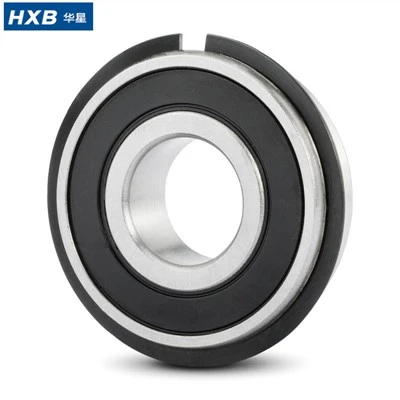
I know this seems like a lot, but it’s all stuff that’s saved my shop from injuries, fines, and headaches over the years. If you’re a maintenance manager, plant owner, or hobbyist with damaged electric motor bearings, we’re here to help. We can answer any questions about disposal, or even help you source new bearings for your motor needs. Don’t hesitate to reach out to us for more details.
Deep Groove Ball Bearings References
- Occupational Safety and Health Administration (OSHA). (2022). Safe Handling of Scrap Metal and Construction Waste. U.S. Department of Labor.
- Institute of Scrap Recycling Industries (ISRI). (2023). Best Practices for Sorting and Processing Electric Motor Scrap. ISRI Publications.
- Environmental Protection Agency (EPA). (2021). Guidelines for Disposal of Small Electrical Components and Used Lubricants. U.S. EPA.
Hangzhou Huaxing Kechuang Holding Group Co., Ltd.
Hangzhou Huaxing Kechuang Holding Group Co., Ltd. is one of the leading manufacturers and suppliers of electric motor bearings in China, featured by quality products and good service. Please rest assured to buy bulk durable electric motor bearings from our factory. Welcome to view our website for more information.
Address: No.553 Yingbin Road, Linping, Hangzhou, 311100, China
E-mail: wmb@huaxingbearing.com
WebSite: https://www.hxbbearing.com/
