When I started running my PS skirting supply business five years ago, I never thought I’d spend half as much time talking about storage as I did about designing or shipping the product. Most of my customers—from small residential builders to large commercial contractors—reach out for quotes, ask about finishes, or request bulk pricing, but once a month someone will email me panicking, saying a stack of their PS skirting got warped or scuffed, and they need to replace it before a job deadline. That’s when I realize how many people underestimate what goes into storing PS skirting correctly, especially if they’re storing large volumes or for long periods. Today, I want to break down exactly how to store PS skirting the right way, based on what I’ve learned from years of solving these headaches for my clients, and how to avoid the costly mistakes that I see all too often. PS Skirting
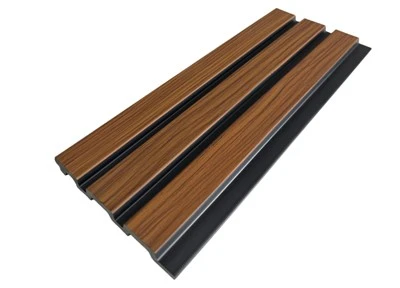
First, let’s get clear on what PS skirting is, because that’s the foundation of why storage works the way it does. PS stands for Polystyrene, and this stuff is lightweight, rigid, resistant to moisture (which is a huge upgrade from old wooden skirting that rots or warps in basements and bathrooms), and finishes really well with paint, laminate, or even veneer. But here’s the catch: even with all its benefits, PS is still a plastic-based material that reacts to temperature and humidity changes more than you might think. I’ve had a customer tell me they stored 50 linear meters of PS skirting in a cold, unheated garage over winter, and when spring came, every single piece bowed in the middle so bad it wouldn’t fit against the wall. Another client left a pile leaning against a wet wall in a construction site, and the bottom pieces absorbed just enough moisture (even though PS is technically water-resistant, the joints between pieces can hold small amounts of condensation) to turn a bit brittle after a month. So storage isn’t just about shoving boxes or bundles somewhere—it’s about controlling the environment and handling the material with care before and during storage.
Let’s start with the basics: pre-storage preparation. Most of my customers get PS skirting delivered in bundles, usually wrapped in thin plastic shrink wrap to protect it during shipping. The first rule here is: don’t leave that shrink wrap on for longer than a week. I know, I know—you get the delivery, you’re swamped with job orders, and the last thing you want to do is unwrap 10 bundles of skirting. But that plastic wrap traps condensation, especially if the temperature shifts between day and night, like in an unfinished warehouse or a covered construction yard. I once had a repeat client who stored a shipment for two weeks still in shrink wrap, and when he finally took it down, the ends of the skirting had a faint mold-like film (it was just trapped moisture, but it discolored the finish) that required him to sand and repaint every piece, costing him half his profit on a small renovation job. So take the time to unwrap the bundles within a few days of delivery. If you’re not installing them right away, lay each bundle out in a cool, dry space for 24 hours to acclimate to the room’s temperature and humidity. That might sound trivial, but PS expands and contracts with temperature changes—if you store a bundle that’s at 10 degrees Celsius outside, and then move it into a 22-degree installation space right before you use it, it might change length just enough to leave gaps where pieces meet. Acclimation prevents that, and it’s a simple step that saves a lot of headache.
Next, choosing the right storage space. This is where I see the most mistakes. I’ve had customers try to store PS skirting in: open loading docks (exposed to rain and direct sun), tight under-stair closets where air can’t circulate, damp basements, and even outside in the back of a pickup truck for weeks. Let’s break down what to look for in a good storage space. First, temperature consistency. Ideally, the space should stay between 15 and 25 degrees Celsius, with no extreme swings. PS is most stable when it’s kept in a moderate, steady temperature—below 10 degrees, it gets brittle and can crack if you bend it, and above 30 degrees, it can start to warp, especially if it’s stacked tightly. I recommend avoiding any space that gets below freezing or above 27 degrees regularly. Humidity is the next big factor. PS skirting needs humidity between 40 and 60 percent. Any higher, and you risk condensation buildup, as I mentioned earlier. Any lower, especially in heated indoor spaces in winter, and the material can become overly brittle, making it hard to cut or install without chipping. So a climate-controlled storage unit is perfect if you’re storing large volumes long-term, but if you’re a small builder with a few bundles, a spare bedroom (that’s not in use) or a covered, insulated workshop works well too. If you have to store outside temporarily (say, a construction site with no covered space), invest in a heavy-duty tarp, and elevate the bundles off the ground on wooden pallets or cinder blocks to avoid direct contact with damp soil. Never leave them directly on grass or concrete—those both hold moisture, and even a light rain will seep under a tarp if the ground is wet.
Now, how to arrange the skirting once you’re in the storage space. This is another area where I’ve seen perfect prep and a great space ruined by bad stacking. PS skirting is long, thin, and rigid, so stacking it the wrong way leads to warped or bowed pieces. Let’s start with bundles: when you unwrap them, don’t take them apart unless you need to use individual pieces. Keeping them in their original bundled shape (most manufacturers tie them with soft, non-abrasive twine, or use plastic strapping that’s not too tight) helps maintain the uniform shape. If you have loose pieces, don’t just pile them on top of each other—they’ll shift and bow. For stacking, the golden rule is: keep the load evenly distributed, and never stack more than 10 bundles high. Any more than that, and the weight of the top bundles will crush the lower ones, especially if the floor is uneven. I had a customer once stack 15 bundles high in a storage unit, and when he took the top ones off, the bottom three bundles were bent so badly they were unusable. Also, stack bundles flat, not vertically. Wait—you might be thinking, flat is flat, right? No: standing bundles vertically like books puts pressure on one edge, while laying them flat distributes weight evenly across the entire length of each piece. That’s the same reason you see lumber stacked flat in construction yards. If you have limited space and really need to stand some bundles, make sure they’re braced against a wall or heavy furniture so they don’t lean, which would create uneven pressure and warp the edges. Another pro tip from my team: place a layer of cardboard or foam between any two bundles if you’re stacking them for a long time (more than a month). Even the soft plastic strapping from the original bundle can leave an indent on the finish or a slight crease in the PS if it’s sitting there for months. That little step saves you from having to sand out small marks before installation, which is a huge time-saver.
Then there are the do’s and don’ts of handling during storage, and this applies even if you’re just moving a bundle from the storage space to a job site. Never drag PS skirting across the floor. Even if the floor is smooth, the rough edges of concrete or even unfinished wood can scratch the finish. Always lift bundles by the ends, using two people if the bundle is more than 3 meters long (most residential PS skirting is 2.4 or 3 meters, so that’s a good rule). If you have loose pieces to carry, hold them by the middle, not just one end—holding just one end puts a bend on the unloaded side, which can make it warped before you even get to the job. Another don’t: don’t store anything heavy on top of PS skirting. I’ve seen customers stack toolboxes, buckets of paint, or even whole sheets of plywood on top of a bundle because they needed the space. That’s a surefire way to create a permanent bow, and PS skirting isn’t cheap to replace, so why risk it? If you need to store other heavy items, keep them in a separate area or at the very least on a lower shelf, not above your skirting.
Now, let’s talk about long-term vs short-term storage, because the rules change a bit depending on how long you’re keeping the skirting. Short-term storage is anything under 3 months—maybe you have a delivery that came a few weeks before your project starts, or a few extra pieces you’re keeping for repairs. For short-term, you can get away with a little more flexibility, but still stick to the basics: acclimate, avoid direct sun and moisture, and don’t stack too high. I’d recommend not leaving bundles in shrink wrap for short-term, because even a couple weeks in plastic can trap a little humidity if the space is a bit damp. Just unwrap, lay flat, and you’re good to go. For long-term storage (anything over 3 months, like extra stock for future projects), you need to be a bit more thorough. First, inspect every bundle before you put it away. Check for any scratches, dents, or creases that were there when it arrived—mark those bundles so you install those pieces first, since they’re already compromised. Once you’ve checked, wrap the bundles loosely in a breathable plastic sheet (not the tight shrink wrap) to keep dust off, while still allowing air circulation. Dust might seem like a small thing, but if it sits on the finish and gets rubbed in when you handle the pieces during installation, it leaves dull marks that are hard to buff out. Also, for long-term storage, if you’re working in a warehouse, make sure the skirting is at least 30 centimeters away from any exterior walls, to avoid the temperature swings that happen right against the outside of a building. I keep 10 spare bundles in my own warehouse, rotated every 6 months so I never have old stock sitting for more than a year, and that’s kept waste from storage down to almost zero.
Let me also cover a few common mistakes that I hear about all the time, just to make sure you don’t fall for them. First: don’t store PS skirting near heat sources. That means space heaters, water heaters, furnaces, or even sunny windows that get direct afternoon sun. Even a week of being next to a space heater can make the PS soft enough to warp. I once had a customer keep a bundle next to his basement space heater during winter, and by spring, the skirting was so bendy it would have required a full custom fit, which cost him extra money because he couldn’t cut it to standard lengths. Second: don’t use tape to label bundles. Painter’s tape or packing tape can leave a sticky residue on the PS that’s really hard to remove, especially if it’s left for months. Instead, use a permanent marker to write on the soft twine or plastic strapping around the bundle, or use a small paper tag tied on with string. Third: don’t store PS skirting with other materials that can scratch it. That means metal tools, rough lumber, or even ceramic tiles that might have sharp edges. If you have to store different building materials in the same space, keep them on separate shelves or in separate areas, at least a meter apart, to avoid scratches and dents.
At the end of the day, storing PS skirting correctly boils down to three simple things: control the environment (temperature, humidity, moisture), handle the material gently, and arrange it in a way that keeps it rigid and undamaged. I’ve been through every mistake there is—warped bundles, scratched finishes, even a batch that got a bit discolored from trapped moisture—and now my team and I share these tips with every customer, because we don’t want anyone to waste time or money on storage issues when a little planning goes a long way.

Whether you’re a small contractor with a few bundles or a large developer storing pallets of PS skirting, following these steps will keep your skirting in perfect condition, ready to install exactly when you need it. If you have questions about storage, or you’re looking for high-quality PS skirting for your next project, feel free to reach out to our team to discuss your needs and get a custom quote tailored to your volume and timeline. We’re here to help make every part of your project, from storage to installation, as smooth as possible.
PS Skirting References:
- Polystyrene Product Storage Guidelines, American Plastics Council
- Interior Building Material Storage Best Practices, National Association of Home Builders
- Climate Control for Long-Term Storage of Construction Materials, Construction Industry Research and Information Association
Linyi Xinchenda Import and Export Trading Co., Ltd.
We’re known as one of the most professional ps skirting manufacturers in China, also support customized service. With abundant experience, we warmly welcome you to buy premium ps skirting for sale here from our factory. Quality products and low price are available.
Address: NO. 20, ROOM 815, BUILDING 2, CENTURY PLAZA, BEIJING ROAD, LANSHAN DISTRICT, LINYI CITY, SHANDONG, CHINA
E-mail: lily311913@gmail.com
WebSite: https://www.xcdpswallpanel.com/
