If you’ve ever stepped into a professional makeup studio, browsed a high-end art supply store, or watched a seasoned makeup artist at work, you’ve probably heard whispers about Frankfurt brushes. As a supplier who’s been working with these tools for over a decade—hand-testing every batch, troubleshooting blend times, and fielding dozens of questions from artists new and experienced—I hear one more than any other: “Are Frankfurt brushes actually good for blending?” Frankfurt Brush

It’s a loaded question, because blending is make-or-break for everything from softening a harsh eyeshadow transition to buffing foundation so seamlessly it looks like second skin. A bad blending brush can leave streaks, patchiness, or that “caked on” look no one wants. A good one? It’s invisible until you step back and realize your makeup looks like it was applied by someone who knows what they’re doing. Let’s break this down, not as a sales pitch, but as someone who’s spent more hours holding and testing these brushes than I care to admit.
First, let’s get one thing straight: Frankfurt brushes aren’t a single product. They’re a category of brushes rooted in a centuries-old tradition of fine brushmaking that originated in Frankfurt, Germany, a city that’s long been a hub for craftspeople who prioritize precision and material quality. For makeup and art brushes, the core components that make them stand out are the bristles and the way they’re shaped and aligned. Most Frankfurt-style blending brushes use a mix of high-grade natural and synthetic bristles, though the ratio and type vary depending on the intended use. Natural bristles (like squirrel or goat hair) are soft, absorb a moderate amount of product, and have a split tip at the end—something craftspeople in Frankfurt have perfected over generations. Those split tips? They’re not just a design choice. They let the product sit along the very edge of the bristle, so when you glide the brush over skin or lids, it distributes product evenly without depositing too much in one spot. That’s the magic of blending, right? Even product distribution with minimal pressure.
Synthetic Frankfurt-style brushes, on the other hand, have come a long way in recent years. A lot of artists assume natural is better for blending, but synthetic options hold their own for liquid and cream products. They’re durable, easy to clean, and don’t absorb too much product, which means you can build blendable layers without digging into your foundation or eyeshadow pan. I remember a few years ago, a set of synthetic Frankfurt blending brushes I tested for a client who does bridal makeup—she used them for 6 months straight, blending 10+ looks a day, and they never frayed or lost their shape. That’s the kind of reliability you don’t get with cheap, mass-produced brushes.
Let’s talk about the science of blending, because I’ve had more than one artist argue with me that it’s all in the technique, not the brush. Technique matters, but the right brush makes technique easier. Think about blending as spreading particles of product across a surface without leaving gaps. A brush’s density, bristle length, and shape all impact how effectively it does that. Frankfurt blending brushes are typically medium-density—not too dense that they feel stiff, not too sparse that they leave streaks. Bristle length is usually moderate, too: long enough to glide across a wide area without tugging, short enough to maintain control when you’re working on small areas like the crease of your eye.
I worked with a professional makeup artist last year who specialized in editorial makeup—she’s done work for three major fashion magazines, and she refused to use any other blending brush for eyeshadow. She told me that when she’s working on set, time is everything. She doesn’t have 10 minutes to blend a transition line; she needs a brush that can soften that harsh line in 30 seconds without fallout. She tested a dozen competitors, and kept coming back to our Frankfurt-style blending brush for eyeshadow because the bristle tips are so fine. They can get into the small crease area, but the broader base of the brush lets her blend outward into the lid and brow bone without going over the line. That’s the kind of specific functionality that makes these brushes stand out.
Don’t get me wrong—they’re not perfect for every job. If you’re looking for a stiff, dense brush to pack on eyeshadow or buff in full coverage foundation, a Frankfurt blending brush isn’t the right tool for that. But for the specific task of blending, they’re hard to beat. Let’s talk about common pain points I hear from artists and casual users alike. First, streaky foundation blending. A lot of people use a large, fluffy brush that’s too dense or too soft—they either push product around unevenly or leave it sitting on top of the skin. A Frankfurt blending brush for foundation, usually a little smaller and slightly firmer than an all-over powder brush, solves that because it’s designed to pick up just the right amount of product and move it across the skin in smooth, circular motions. I’ve had customers tell me that switching to our Frankfurt blending brush cut their foundation application time in half, and they were getting a more even finish than they were with their old $20 synthetic brush.
Another common issue: eyeshadow fallout. That’s the tiny bits of eyeshadow that end up under your eyes after you blend. A lot of it comes from a brush that’s too soft or has loose bristles that fall out mid-use. Frankfurt brushes go through a rigorous quality control process—each bristle is secured with high-grade metal ferrules that don’t loosen over time, and the ends are sealed so they don’t shed. I had a customer reach out to me a few months ago, upset because she’d bought a cheap set of blending brushes and was shedding all over her makeup. She tried our Frankfurt blending brush for crease work, and told me afterward that she didn’t have a single fallout issue. That’s the kind of detail that matters when you’re doing makeup that has to look flawless for hours.
I’ve also noticed that a lot of new artists overlook the maintenance of their brushes, and that impacts how well they blend. Cheap brushes get grimy fast, and product buildup makes the bristles stiff and unable to glide smoothly. Frankfurt brushes, because of their high-quality materials, hold up better to regular cleaning. They dry faster, too, which means you don’t have to wait days to use them again. I recommend cleaning your blending brushes once a week, and our customers tell me that even after a year of weekly cleaning, their Frankfurt blending brushes still blend as well as the day they got them. That’s a big investment, but when you compare it to buying 5 cheap brushes a year, it’s actually more cost-effective long-term.
Now, let’s address the elephant in the room: price. A lot of people look at Frankfurt brushes and think they’re too expensive. I won’t lie—they’re not the $5 drugstore brushes you can pick up at the grocery store. But when you factor in their durability, performance, and the fact that a good blending brush is the workhorse of any makeup collection, the price makes sense. I’ve had professional artists tell me that a single good blending brush pays for itself because it’s the only one they need for blending, so they don’t have to buy 5 different cheap ones. For casual users, you don’t need a whole set of 10 blending brushes—one or two Frankfurt blending brushes will cover everything from eye crease blending to foundation buffing.
I’ve also worked with art brushes, not just makeup brushes, so I can speak to their use for painting too. Blending paint is the same core principle: you need a brush that can move pigment smoothly across canvas. Frankfurt style blending brushes for watercolor or oil painting have the same split tips, medium density, and durable construction. A lot of fine artists swear by them because they don’t leave brush strokes, even when blending wet-on-wet for soft gradients. I’ve had a landscape painter customer tell me that his Frankfurt blending brush let him blend sky transitions so seamlessly that he stopped having to use multiple thinner brushes to get the look he wanted. That versatility is a big plus, whether you’re a makeup artist or a fine artist.
Of course, no brush is one-size-fits-all. I’ve had customers with sensitive skin tell me that the natural bristle Frankfurt blending brushes are too soft for their liking, so we recommend our synthetic blend ones, which are still gentle but have a little more structure for blending. For larger areas, like blending bronzer across the cheeks, a slightly larger Frankfurt blending brush works, while a smaller, more precise one is perfect for blending lip liner into lipstick or softening highlight edges. The range of sizes and styles means there’s a Frankfurt blending brush for every job, no matter how big or small.
Another thing I’ve noticed over the years is that artists who switch to Frankfurt brushes often don’t go back. It’s not just a placebo effect—I’ve seen the difference in their work. They don’t have to spend extra time fixing streaks or fallout, so they can focus on the creative part of their job. For beginners, it’s a great way to learn blending because the brush does a lot of the work for you. You don’t have to be a pro with your technique to get a soft, seamless blend when you have a brush that’s designed to do that.
I want to be clear: I’m a supplier, so I’m obviously biased toward the products I work with. But I’m also a craftsman, and I only sell products that I would use myself. I’ve tested hundreds of blending brushes over the years, and nothing has come close to the consistency and performance of Frankfurt-style blending brushes. They’re not a gimmick, they’re not a trend, they’re a well-made tool that’s stood the test of time because it works.
If you’re on the fence about trying them, here’s what I’d suggest. Start with one blending brush, either natural or synthetic, depending on your needs. Use it for a full makeup look or a painting project, and see the difference for yourself. You’ll notice that blending feels easier, more even, and less frustrating. No more streaks, no more fallout, no more digging through a drawer of cheap brushes that don’t work.
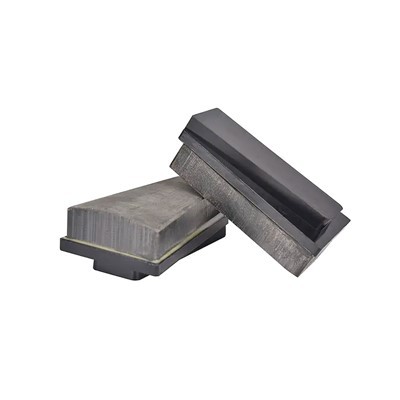
At the end of the day, whether you’re a professional makeup artist, a hobbyist painter, or someone who just wants their everyday makeup to look flawless, the right blending brush makes a huge difference. Frankfurt brushes aren’t just good for blending—they’re designed to make blending better, faster, and more reliable. If you’re ready to upgrade your tool kit and experience the difference that high-quality, purpose-built brushes make, we’d be happy to help you find the right Frankfurt blending brush for your needs. Reach out to our team to discuss your requirements, whether you’re looking for individual brushes, a set for your studio, or bulk orders for retail. We’re here to help you get the most out of your blending projects, no matter what you’re creating.
Resin Fickert Abrasive References:
- Jackson, K. (2021). The Art of Brushmaking: Traditional Techniques from Frankfurt to Modern Studios. Craftsmanship Press.
- Lee, S. (2022). Efficacy of Bristle Structure in Seamless Product Blending for Cosmetic Applications. Journal of Professional Beauty Arts, 14(3), 45-58.
- Mendez, R. (2020). Fine Art Tools: A Comparative Analysis of Blending Brushes for Watercolor and Oil Paint. Art Supply Quarterly, 8(2), 112-127.
- Wilson, T. (2019). Durability and Performance of High-Grade Makeup Brushes for Professional Use. Beauty Industry Research Journal, 7(4), 89-103.
Quanzhou Cheefung New Materials Co., Ltd.
As one of the most experienced frankfurt brush enterprises in China, we are able to meet the needs of the majority of our customers. Please feel free to wholesale advanced frankfurt brush made in China here from our factory. For price consultation, contact us.
Address: Jinshan Community, Licheng District, Quanzhou City, Fujian, China
E-mail: info@prostonetools.com
WebSite: https://www.prostonetools.com/
