As a seasoned supplier in the field of communication towers, I’ve witnessed firsthand the critical role that proper grounding plays in the functionality and safety of these structures. In this blog, I’ll delve into the science behind how communication towers are grounded, sharing insights based on years of experience and industry knowledge. Communication Towers
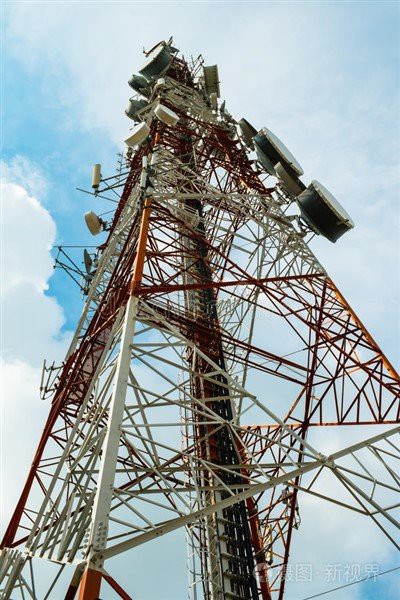
The Importance of Grounding Communication Towers
Communication towers are not just tall structures; they are vital components of our modern communication infrastructure. They support antennas that transmit and receive signals for various services, including mobile phones, radio, and television. However, these towers are often exposed to harsh environmental conditions, including lightning strikes, which can cause significant damage to the equipment and disrupt communication services.
Grounding is the process of connecting the tower and its associated equipment to the earth. This connection provides a low – resistance path for electrical current to flow safely into the ground, protecting the tower and its equipment from electrical surges, such as those caused by lightning. Without proper grounding, a lightning strike could cause equipment failure, fire, or even pose a risk to human life.
Components of a Grounding System
A typical grounding system for a communication tower consists of several key components:
Ground Rods
Ground rods are one of the most fundamental elements of a grounding system. These are typically made of copper – clad steel or solid copper and are driven into the ground to a depth of several feet. The purpose of ground rods is to provide a direct connection between the tower and the earth. The number and spacing of ground rods depend on various factors, such as soil resistivity, tower height, and the type of equipment installed on the tower.
Grounding Conductors
Grounding conductors are used to connect the tower structure and equipment to the ground rods. These conductors are usually made of copper or aluminum and are sized according to the expected electrical current. The conductors must be properly installed and maintained to ensure a low – resistance path for electrical current.
Bonding
Bonding is the process of connecting all metallic components of the tower and its associated equipment together. This includes the tower structure, antennas, coaxial cables, and electrical panels. By bonding these components, we create a single electrical potential throughout the system, which helps to prevent electrical arcing and reduces the risk of damage from electrical surges.
Grounding Mats
In some cases, especially in areas with high soil resistivity, grounding mats may be used in addition to ground rods. Grounding mats are large sheets of conductive material, such as copper or aluminum, that are buried in the ground around the base of the tower. These mats increase the surface area in contact with the soil, reducing the overall resistance of the grounding system.
Grounding Design Considerations
Designing an effective grounding system for a communication tower requires careful consideration of several factors:
Soil Resistivity
Soil resistivity is a measure of how well the soil conducts electricity. It varies depending on factors such as soil type, moisture content, and temperature. High soil resistivity can make it more difficult to achieve a low – resistance grounding system. To determine the soil resistivity, soil samples are typically taken at the tower site and tested in a laboratory. Based on the results, the appropriate number and configuration of ground rods and grounding conductors can be determined.
Tower Height and Configuration
The height and configuration of the tower also play a role in grounding design. Taller towers are more likely to be struck by lightning, and therefore require a more robust grounding system. Additionally, the presence of multiple antennas and other equipment on the tower can increase the complexity of the grounding system.
Local Codes and Standards
Local codes and standards must be followed when designing and installing a grounding system. These codes specify the minimum requirements for grounding, including the size and type of ground rods, the spacing between ground rods, and the installation methods for grounding conductors. Compliance with these codes is essential to ensure the safety and reliability of the communication tower.
Installation and Maintenance of Grounding Systems
Once the grounding system has been designed, it must be properly installed and maintained.
Installation
The installation of a grounding system begins with the driving of ground rods into the ground. This is typically done using a hydraulic or pneumatic hammer. The ground rods should be installed vertically and spaced at the appropriate intervals. After the ground rods are in place, the grounding conductors are connected to the tower structure and the ground rods. Bonding is then performed to connect all metallic components together.
Maintenance
Regular maintenance of the grounding system is crucial to ensure its continued effectiveness. This includes inspecting the ground rods, grounding conductors, and bonding connections for signs of corrosion, damage, or loose connections. Soil resistivity should also be periodically tested to ensure that the grounding system is still providing a low – resistance path to the ground.
Our Expertise as a Communication Tower Supplier
As a leading supplier of communication towers, we understand the importance of proper grounding. Our team of experts has extensive experience in designing, installing, and maintaining grounding systems for communication towers of all sizes and configurations. We use the latest technology and best practices to ensure that our grounding systems meet or exceed industry standards.
We offer a comprehensive range of services, including soil resistivity testing, grounding system design, installation, and maintenance. Our goal is to provide our customers with reliable and cost – effective solutions that protect their communication towers and equipment from electrical surges.
Contact Us for Your Communication Tower Needs
Communication Towers If you are in the market for a communication tower or need assistance with grounding system design and installation, we invite you to contact us. Our team of experts is ready to discuss your specific requirements and provide you with a customized solution. Whether you are building a new tower or upgrading an existing one, we have the knowledge and experience to ensure that your grounding system is safe, reliable, and effective.
References
- IEEE Standard 142 – 2007, "IEEE Recommended Practice for Grounding of Industrial and Commercial Power Systems"
- NFPA 780 – 2017, "Standard for the Installation of Lightning Protection Systems"
- EIA/TIA – 607 – A, "Commercial Building Grounding and Bonding Requirements for Telecommunications"
Hebei Yifeng Steel Structure Co., Ltd.
As one of the most professional communication towers manufacturers and suppliers in China, we offer a wide range of products with superior quality. Please feel free to buy cost-efficient communication towers for sale here from our factory. Contact us for more details.
Address: Guangchuan Town Industrial Zone, Jing County, Hengshui City, Hebei Province
E-mail: hbyfgjg@163.com
WebSite: https://www.yf-powertowers.com/
