Alright, let’s cut to the chase—if you’re running a machine shop, a CNC turning center frame’s probably the backbone of your operations. I’m not just some random blogger talking at you; I’ve been in the game as a CNC turning center frame supplier for over a decade, and I’ve seen way too many guys skip simple safety steps that end up with broken frames, damaged parts, or worse—someone getting hurt. This isn’t rocket science, but it’s the stuff that keeps your shop running and your crew going home at the end of the day. Let’s break down the real, actionable safety precautions you can’t sleep on, no fancy corporate jargon here. CNC Turning Center Frame
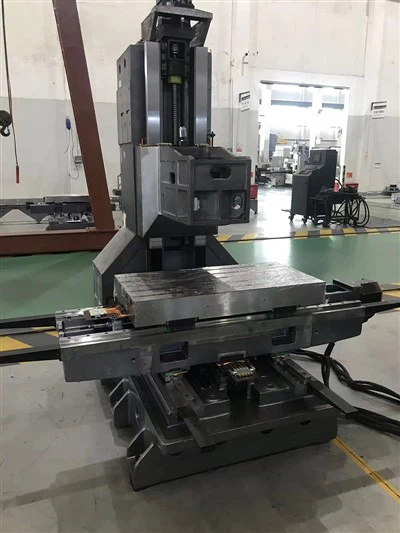
First off, before you even hit the power button—wait, not just “check stuff”—you need to do a pre-use walkthrough that’s actually thorough. I can’t tell you how many times I’ve showed up to a client’s shop to fix their frame, and the first thing I see is a loose bolt on the base. Duh, right? But guys rush this step. Let me make it specific: start with the frame’s foundation. Our frames are cast with precision, but if they’re bolted to a wobbly floor—like, if the concrete slab has cracks or gaps under the mounting holes—that’s a disaster. Vibration from turning heavy parts will loosen everything over time. Then, check the locking mechanisms for all the axis slides. The carriage and tailstock—you’d be shocked how often those are left unlocked, especially when swapping tools. I once had a client who thought “it’s just a quick adjustment” and didn’t lock the tailstock; when the spindle spun up, the tailstock slid forward, nicked the frame’s guideway, and ruined a $2000 tool bit. Also, peek at the power cables and hydraulic lines—don’t just see if they’re plugged in, check for frays or kinks. A frayed cable on a CNC frame can short out mid-cycle, and that’s when parts go flying. Oh, and before you power on, open the electrical cabinet (the one on the frame, not the main shop panel) and give the bus bars a quick glance—no loose connections, no dust bunnies caked on there. Dust is the enemy of electrical components, especially if your shop has coolant mist floating around.
Next, personal protective equipment (PPE)—but not the “wear goggles and gloves” stuff that gets ignored. Let’s be real, guys hate bulky gear, but you don’t need to torture yourself—just the right stuff. Safety glasses with side shields are non-negotiable; regular glasses don’t cut it, especially when chips come flying at 100+ mph from the turning tool. I’ve seen a chip ricochet off a frame’s guard and hit someone in the eye because they skipped the side shields. As for gloves—wait, no, not cloth gloves when handling hot parts or sharp chips. Use cut-resistant, latex-free gloves only when loading/unloading heavy workpieces, and take ‘em off before you start the spindle. Cloth or regular gloves can catch on the rotating chuck or workpiece, and that’s a fast trip to the ER. Steel-toe boots are a given, but make sure they’re not the ones with slippery soles—chip and oil mix on the floor, and if you slip while moving a 50lb workpiece to the frame, you’re out for weeks. Also, long hair? Tie it up so tight it’s almost a ponytail—no exceptions. I worked with a guy once who thought his short curly hair was fine, until it caught on the spindle keyway. Scared the hell out of the whole shop, and he was lucky he only lost a chunk of hair.
Now, the big one: operating the CNC turning center frame correctly, and not cutting corners. First, never bypass the safety guards—those big metal covers that go over the chuck, spindle, and tool carousel. Our frames come with interlocking guards that cut power if they open mid-cycle, but some guys tape ‘em open because they’re “in a hurry.” Bad move. If a workpiece comes loose at 3000 RPM, it’ll blow through that guard like a soda can, and if it’s open, it’s gonna hit whatever’s nearby—including you. Next, set the spindle speed and feed rate to the right value for the material and tool. A lot of guys think “higher speed = faster job,” but cranking it too high on a hard material will cause chatter, which puts extra stress on the frame’s guideways. Over time, that chatter wears down the frame’s precision and creates weak spots that can lead to failure. Oh, and never leave the machine unattended while it’s running a heavy cut. I know, you’ve got 10 other machines to tend to, but a broken insert or a loose workpiece can turn a 5-minute cycle into a fire or a part flying. If you have to step away, pause the cycle and make sure the spindle stops. Also, when loading the chuck, make sure the workpiece is seated all the way before tightening the chuck jaws. A lot of guys just nip ‘em tight, but if it’s not seated, it’ll spin off mid-cut. We had a client last year who skipped that step, and the workpiece slammed into the frame’s guard so hard it bent a ¼” thick steel plate. Cost them $1500 in parts, and a week of downtime.
Then there’s maintenance that’s not just for keeping the frame working—it’s safety. This isn’t the “call a tech once a year” stuff; it’s daily and weekly checks that you can do in 10 minutes. Daily: Wipe down the frame’s guideways and apply the right lubricant—our frames come with specific lube specs, don’t use whatever’s in the shop cabinet. Dry guideways cause excess friction, which overheats the frame and can warp it. Also, check the chip conveyor—make sure it’s not clogged, because a backed-up conveyor can make chips pile up against the frame’s base, blocking airflow and causing overheating. Weekly: Tighten all the mounting bolts on the frame—don’t just do the base bolts, the ones for the axis motors and the tailstock too. Tension can change as the machine runs, especially after a heavy shift. Every month: Test the emergency stop (E-stop) button on the frame. Push it mid-cycle, make sure the spindle stops within a second, and the power cuts to the axis drives. We send a quick E-stop test checklist with every frame we sell, and guys who skip this step often have E-stops that don’t work when they actually need ‘em. Oh, and if you notice any unusual noise—like grinding, rattling, or high-pitched whines—don’t brush it off as “normal machine noise.” That’s the frame telling you something’s wrong, and waiting to fix it will only lead to a breakdown that’s way more dangerous.
Wait, let’s talk about handling heavy workpieces—this is a big one too. A CNC turning center frame is built to hold heavy parts, but if you drop a 100lb steel billet onto the chuck, that can damage the frame’s spindle bearing or the base. Always use a hoist or a lift aid to move heavy workpieces, and make sure they’re balanced when loading into the chuck. Don’t try to muscle it on by hand—even if you’re strong, a slip can send the part flying, or you can strain your back and hurt yourself. Also, make sure the chuck jaws are cleaned before loading—any chips or debris between the jaws and the workpiece will make the grip uneven, leading to the workpiece spinning loose.
Now, I get it—you’re busy, and some of these steps feel like they slow you down. But here’s the thing: as a CNC turning center frame supplier, our job isn’t just to sell you a frame, it’s to make sure you use it safely so you don’t have bad experiences. We’ve built thousands of these frames, and the ones that have the least issues are the ones where the shops actually follow basic safety steps. If you skip pre-use checks, ignore PPE, or bypass guards, you’re not just risking your equipment—you’re risking your crew, and that’s way more important than meeting a deadline.
If you’re in the market for a CNC turning center frame, or you want to upgrade your current setup to meet better safety standards, hit us up. We can walk you through the right specs, send you the full safety checklist we use for our clients, and answer any questions you have about keeping your frame running safe and smooth. Don’t wait until something goes wrong—prevention is way cheaper than fixing a broken frame, or worse, an injury.
Vertical Lathe References
OSHA. (2023). Machine Guarding Requirements for CNC Machine Tools. Occupational Safety and Health Administration.
National Institute for Occupational Safety and Health (NIOSH). (2022). Safety Guidelines for Operating CNC Turning Centers. Centers for Disease Control and Prevention.
ASM International. (2021). Maintenance Best Practices for Metalworking Machine Tool Frames. ASM Handbook, Volume 24: Materials for Medical Devices and Industrial Applications.
Smartech Machinery & Equipment Co., Ltd.
As one of the most professional cnc turning center frame manufacturers and suppliers in China, we also support customized service. Please rest assured to buy bulk cnc turning center frame made in China here from our factory. Contact us for more details.
Address: Room 2832, Changping Commercial Mansion, Shihua Road, Futian Free Trade Zone, Shenzhen, China
E-mail: smartech@smartechcnc.cn
WebSite: https://www.smartech-cnc.com/
